Pressure Control Valves
Relief valves that protect the circuit up to 350 bar, and pilot-operated reducing valves that give a branch its own steady lower pressure.
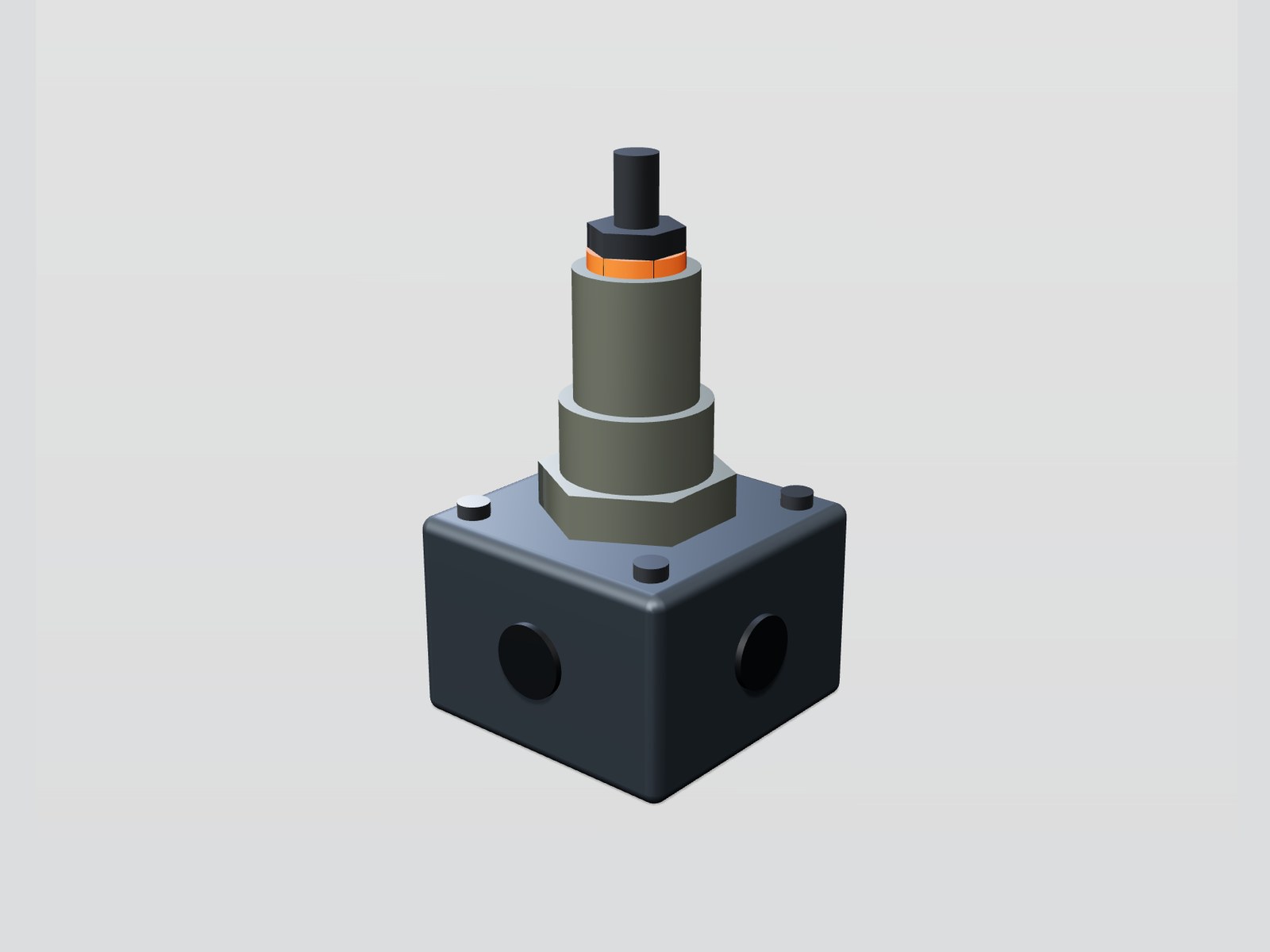
Set it, hold it, protect it
Every hydraulic system needs a maximum pressure. Many also need a lower pressure in one branch for clamps, brakes or pilot lines. CORVEX builds both ends of that job.
- Up to 350 bar: CXR relief valves in direct-acting and pilot-operated designs
- Stable setting: hardened seats and adjusting screws with lock nuts hold the set point under vibration
- Four formats: inline, subplate, SAE cartridge and CETOP sandwich
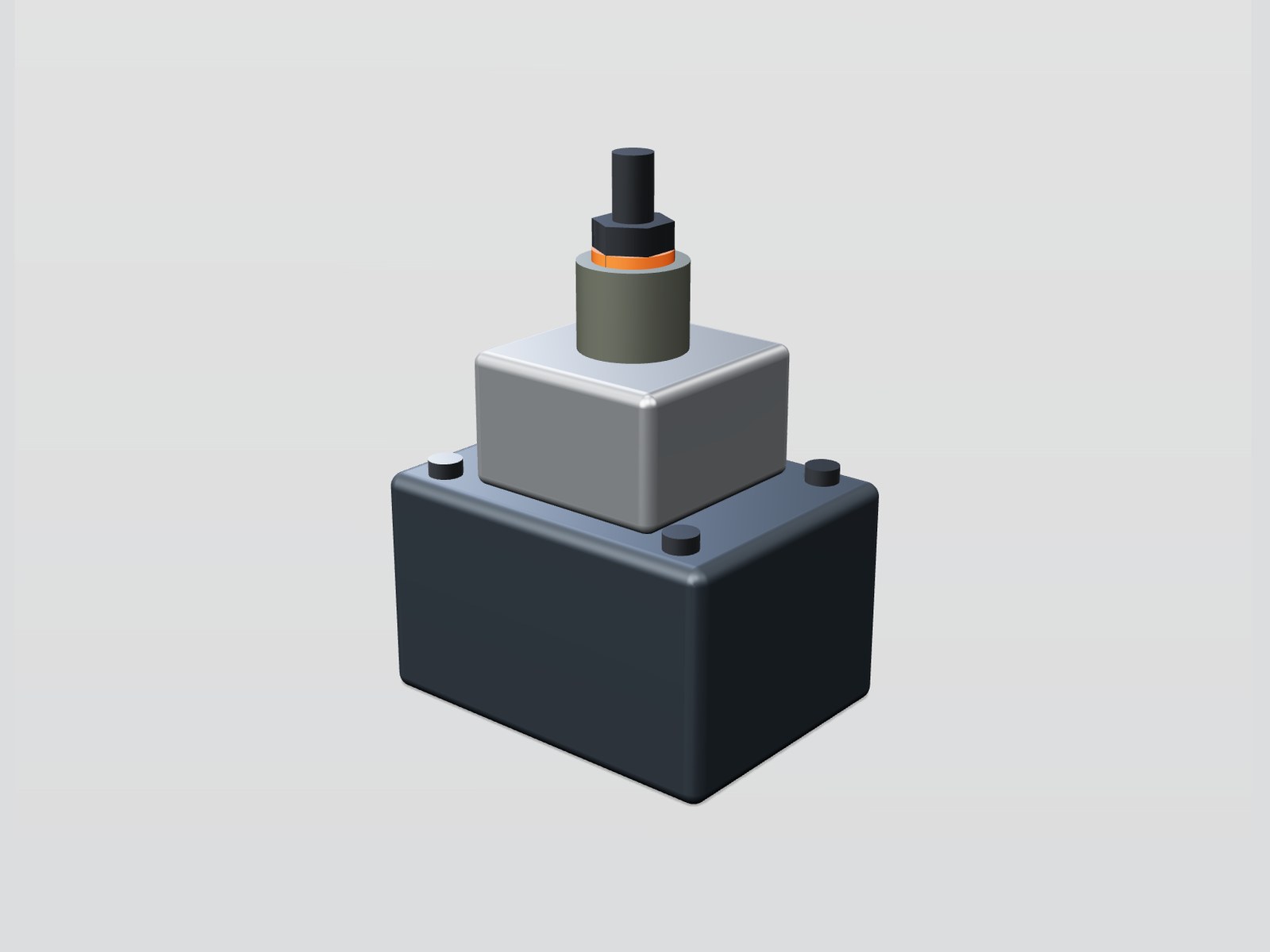
Relief and reducing valves compared
| Series | Type | Controls | Max pressure | Max flow |
|---|---|---|---|---|
| CXR direct-acting | Normally closed | Upstream (inlet) pressure | 350 bar | 160 L/min |
| CXR pilot-operated | Normally closed | Upstream (inlet) pressure | 350 bar | 400 L/min |
| CXP | Normally open | Downstream (outlet) pressure | Set range to 210 bar | Per size, see data sheet |
Relief vs reducing: different jobs
A relief valve opens to tank when the system pressure reaches its setting. It protects the pump and the lines. A reducing valve closes to hold the outlet pressure below the inlet, so one branch can run lower than the main circuit.
The two are often confused on a schematic because the symbols look similar. We explain how to tell them apart in Relief Valve vs Pressure Reducing Valve.
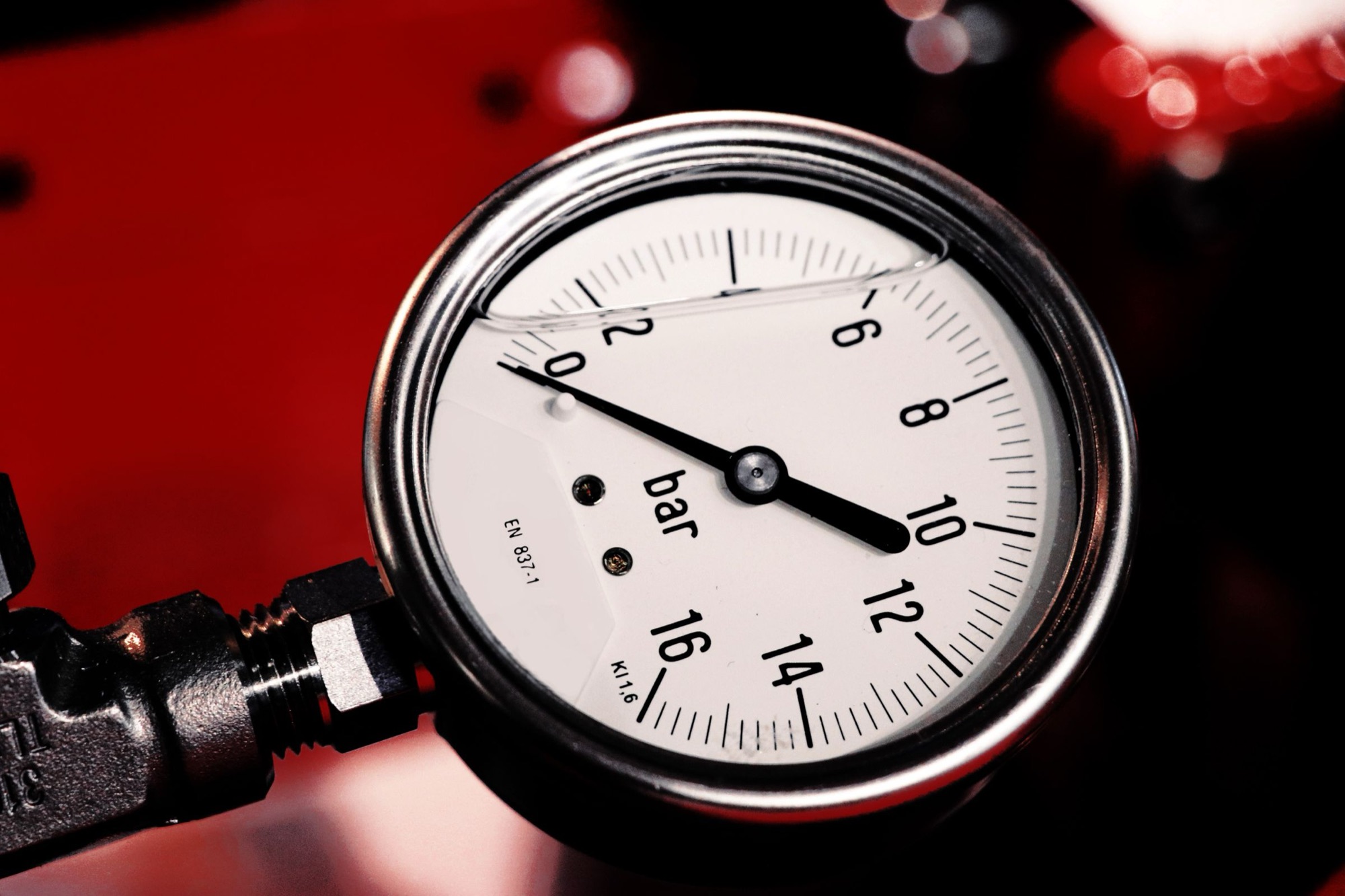
Where pressure valves work
Pressure valve questions
Which relief valve should I choose, direct or pilot?
What happens if the relief valve is set too close to working pressure?
Can a reducing valve also protect against overpressure?
Send the setting range and the flow.
We will recommend a valve and quote with the pressure range spring you need.